
Italian for the music you came to study. Mantua.
The only Italian program in Italy built specifically for international Conservatory students, opera singers and instrumentalists. Walking distance from Conservatorio di Musica Lucio Campiani, in the city that gave the world L'Orfeo.
Apply for the audition prep track →Why Italian for musicians has to be different
A generic intermediate Italian course will not get you through a Conservatory entrance interview, a libretto reading, or a maestro's correction at a rehearsal. The technical vocabulary, the diction, the historical references and the register of conservatory life are a specialised dialect. This is the only program in Italy that teaches them as such.
We built it for three audiences:
- Conservatory candidates - preparing the language requirement for admission at Campiani, Verdi (Milan), Boito (Parma), Monteverdi (Bolzano) or any conservatory in Italy.
- International Conservatory students already enrolled - needing fast functional Italian to follow lessons, take notes and survive the masterclass culture.
- Opera singers at any career stage - building libretti reading, period-correct diction, and the ability to interpret a maestro's instructions in real time.
Why Mantua for this
The Campiani connection
Conservatorio di Musica Lucio Campiani (founded 1864) is a 3-minute walk from our campus. Open masterclasses, recitals, library access - your daily life is inside the music school ecosystem, not next to it.
Monteverdi's city
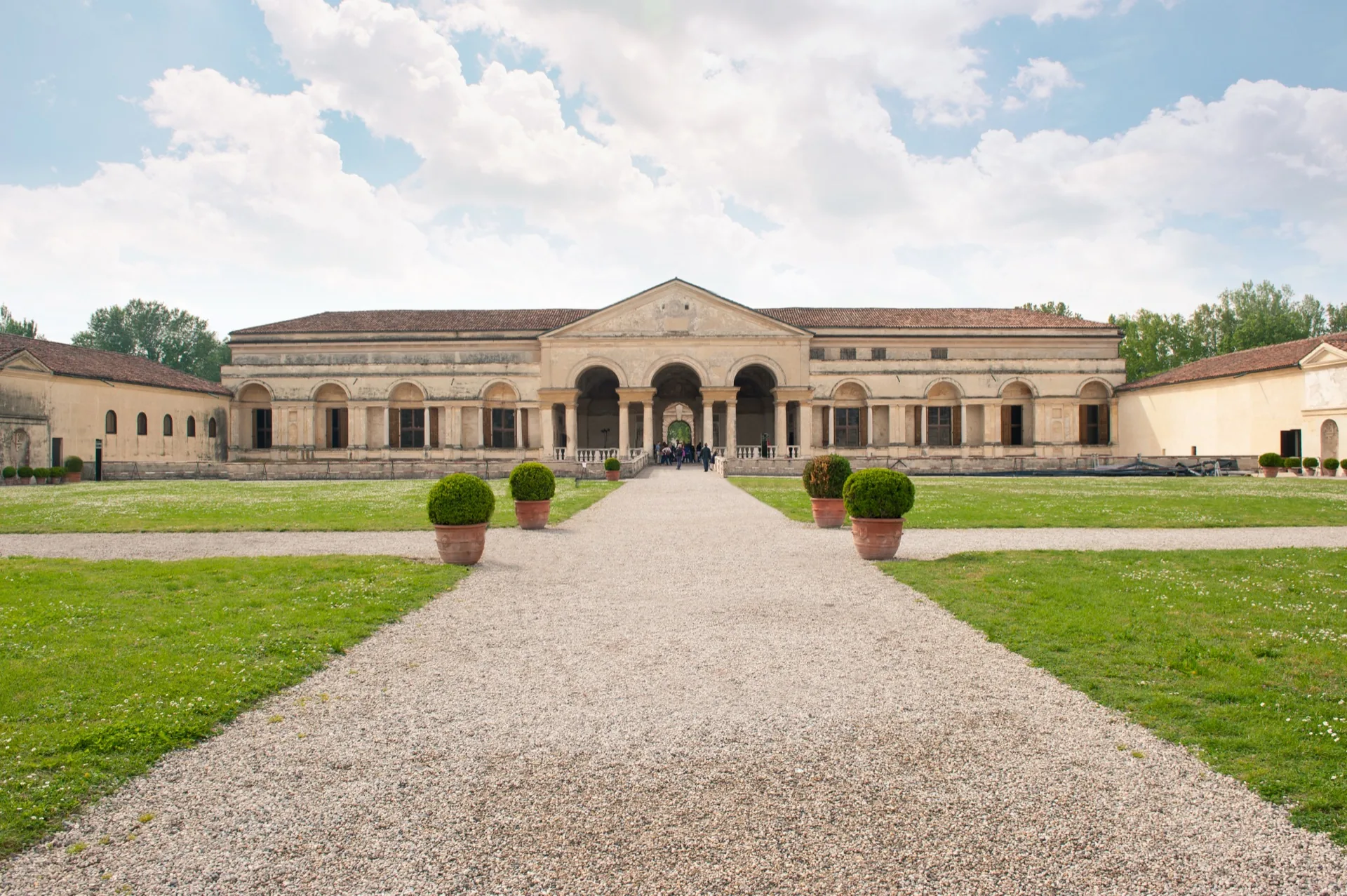
Mantua is where Claudio Monteverdi composed and premiered L'Orfeo (1607) at the Gonzaga court. Walking through Palazzo Ducale where opera was invented is not a tour - it is your context for understanding the libretti you sing.
One hour to everything
Cremona (violin-making capital, Stradivari museum) · Verona Arena (summer opera season) · Parma (Verdi country, Teatro Regio) · Bologna (Conservatorio Martini). All under 90 minutes by train.
No English-default escape
Mantua has 50,000 people and a centro storico the size of three city blocks. You will hear Italian everywhere, all day. The opposite of Milan or Florence - same intensity, no distraction.
Curriculum - what's different from a standard course
You follow the same general Italian core as our long-term program (A1 to C2, communicative method, native teachers with university qualifications). On top of that, three weekly modules are music-specific:
| Module | What you actually do |
|---|---|
| Lessico musicale | Italian musical terminology beyond allegro/forte - the vocabulary used in lessons, rehearsals, masterclasses. Period instruments, score markings, theory, conducting cues, voice typology, opera roles, sacred and secular repertoire. |
| Dizione per il canto | Italian diction for singers - open and closed vowels, doubled consonants, the difference between sung and spoken Italian, regional variants in Verdi vs Puccini. Hands-on work on arias you actually have in your repertoire. |
| Libretti & storia | Reading and translating libretti from Monteverdi through Verdi to Puccini and 20th century. Historical and cultural context. The Italian opera tradition as a living language, not a museum. |
| Conversation track | Mock conservatory interviews, mock maestro corrections, mock rehearsal scenarios. By month three you can follow a lesson in Italian without panic. |
| Audition prep (optional) | One-to-one sessions if you have a specific audition or admission interview coming up. Italian for the interview format, repertoire discussion, sight-reading the maestro's questions. |
Intensive Music Track - 3 months
20 group lessons/week (standard core) + 4 dedicated music modules/week + 1 monthly masterclass attendance at Campiani. Visa-eligible.
All-inclusive: general Italian + music modules + Campiani masterclass passes + final certificate.
Long-form Music Track - 9 months
Full academic year. Brings you from A1/A2 to certified B2/C1 with full music specialisation. Built around the Italian Conservatory academic calendar.
All-inclusive. Add-on: 10 one-to-one audition prep sessions (€690).
Non-EU students: this program is study-visa eligible. See Student Visa Italy and Visa & Residence Permit Support - we handle the visa documentation (preparation and shipping billed separately).
Frequently asked
Do I need to already play / sing at a certain level?
No. We do not teach music. We teach the Italian that music professionals and Conservatory students need. Your musical training continues with your teacher / Conservatory program separately. We work alongside it.
Can I do this while attending Campiani as an Erasmus student?
Yes - this is one of the most common patterns. Many Erasmus and exchange students at Italian Conservatories take this course in parallel to fix the language gap that makes their Conservatory year half-effective. Schedules are arranged around Conservatory class times.
I want to apply to a Conservatory next year. Will this help?
Directly, yes. The language requirement for Italian Conservatory admission is B1/B2 depending on the institution. A 9-month track brings you there with the right vocabulary for the interview and audition discussion. Past students have entered Campiani, Verdi Milan, Boito Parma and other conservatories after completing the track.
Is there a recital / performance element?
One masterclass per month at Campiani is included. We also organize an end-of-program student showcase in collaboration with local venues. Optional and not graded.
How to enroll
This is a small-cohort program - we cap intake at 12 students per term to keep the music modules functional. Pre-application is by interview (15 minutes, by video) to confirm fit.
Apply for the next intake
Tell us your instrument or voice type, your level (vocal / instrumental, not Italian), your goal - admission, ongoing studies, opera career. We reply within one working day with concrete next steps.
© Accademia di Italiano - Mantua campus. Conservatorio Lucio Campiani is mentioned for reference and is an independent institution; this program is not affiliated with the Conservatory.